
Garden
Organic gardening for beginners: three things to fix this season in a Utah backyard
June 23, 2026 · 8 min read
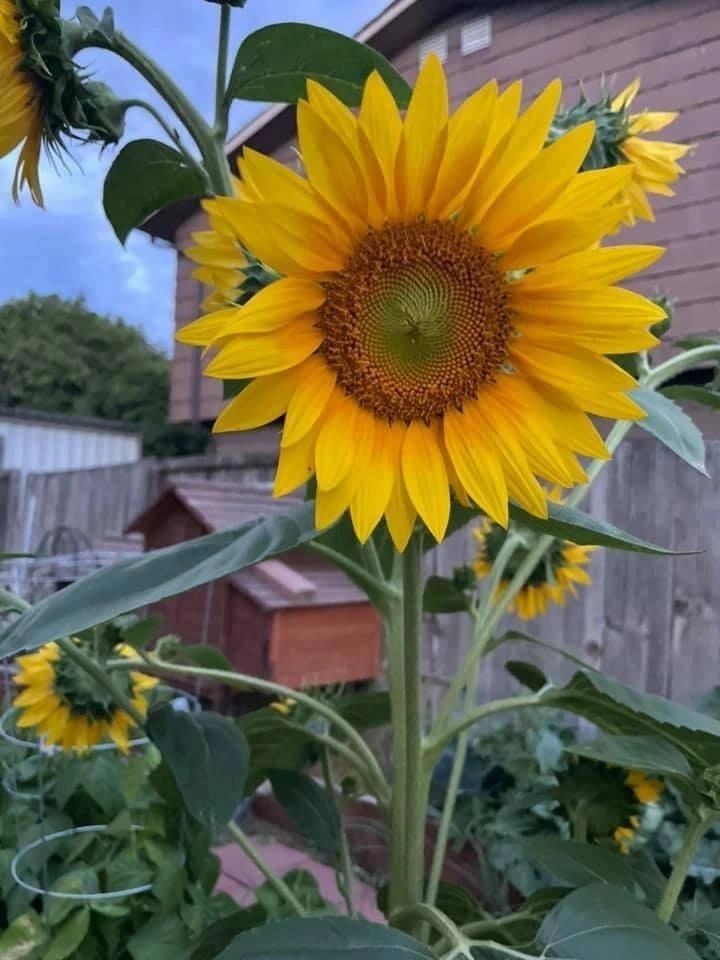
If you have gardened somewhere green and moved to Utah County, your first season here probably felt like a personal failure. It was not. The soil is different, the water is different, and the sun is stronger than it looks.
Three fixes, in this order. Ignore everything else the first year.
Fix 1: add organic matter, not fertilizer
Most Northern Utah yards are heavy clay with a high pH and very little organic matter. Clay holds nutrients well and holds water badly once it crusts. Fertilizer into that is money into a bucket with a hole in it.
Work compost and worm castings into the top few inches instead. Castings bring both structure and biology — the microbe population is arguably the point, more than the nutrient numbers on a bag.
Do this every spring for three years and you will have a different garden, without ever buying a soil amendment program.
Fix 2: mulch like the water is expensive
It is. Two to three inches of straw or shredded leaves over every bed keeps the soil from crusting, drops evaporation dramatically, and moderates the daily temperature swing that stresses roots here.
Keep mulch pulled back an inch from stems so you are not inviting rot at the crown. That is the only rule.
Fix 3: water deeply and less often
Daily shallow watering trains roots to sit at the surface, where they cook in July. A long soak twice a week sends them down after the moisture.
Stick a finger in to the second knuckle before you water. Damp means wait. This single habit fixes more struggling vegetable beds than any product does.
A realistic first-year plan
Plant fewer things than you want to. Tomatoes, zucchini, bush beans, and a herb pot by the door will teach you more than twelve varieties will.
Get a soil test from the extension service before you buy anything else. It costs very little and it will tell you whether your instinct about the yard is right.
Where castings fit
We sell worm castings because they are the least glamorous, most reliable thing you can add to hard local soil. A handful in each planting hole, a scoop top-dressed mid-season, and water it in. That is the whole method.